
Eating well
Healthy eating isn’t about strict diets or cutting out the foods you enjoy.
It’s about making small, realistic changes that you can stick with over time.
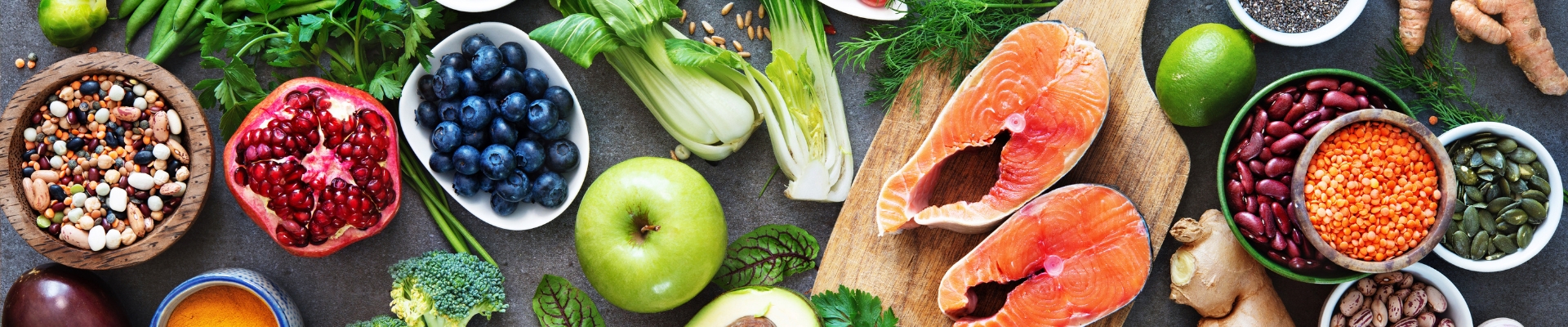
Eating a healthy, balanced diet
Eating well is one of the best things you can do for your health. Making healthy food choices can give you more energy, improve your mood, help you maintain a healthy weight and reduce your risk of developing long-term health conditions.
Healthy eating isn’t about following strict diets, cutting out the foods you enjoy or aiming for perfection. It’s about making small, realistic changes that fit your lifestyle and can be maintained over time. Even simple swaps, such as eating more fruit and vegetables, choosing wholegrain foods or drinking more water, can have a positive impact on your health.
Whether you’re looking to improve your diet, manage your weight or simply feel healthier, taking small steps towards eating well can make a big difference. Every healthy choice counts, and it’s never too late to start making positive changes.
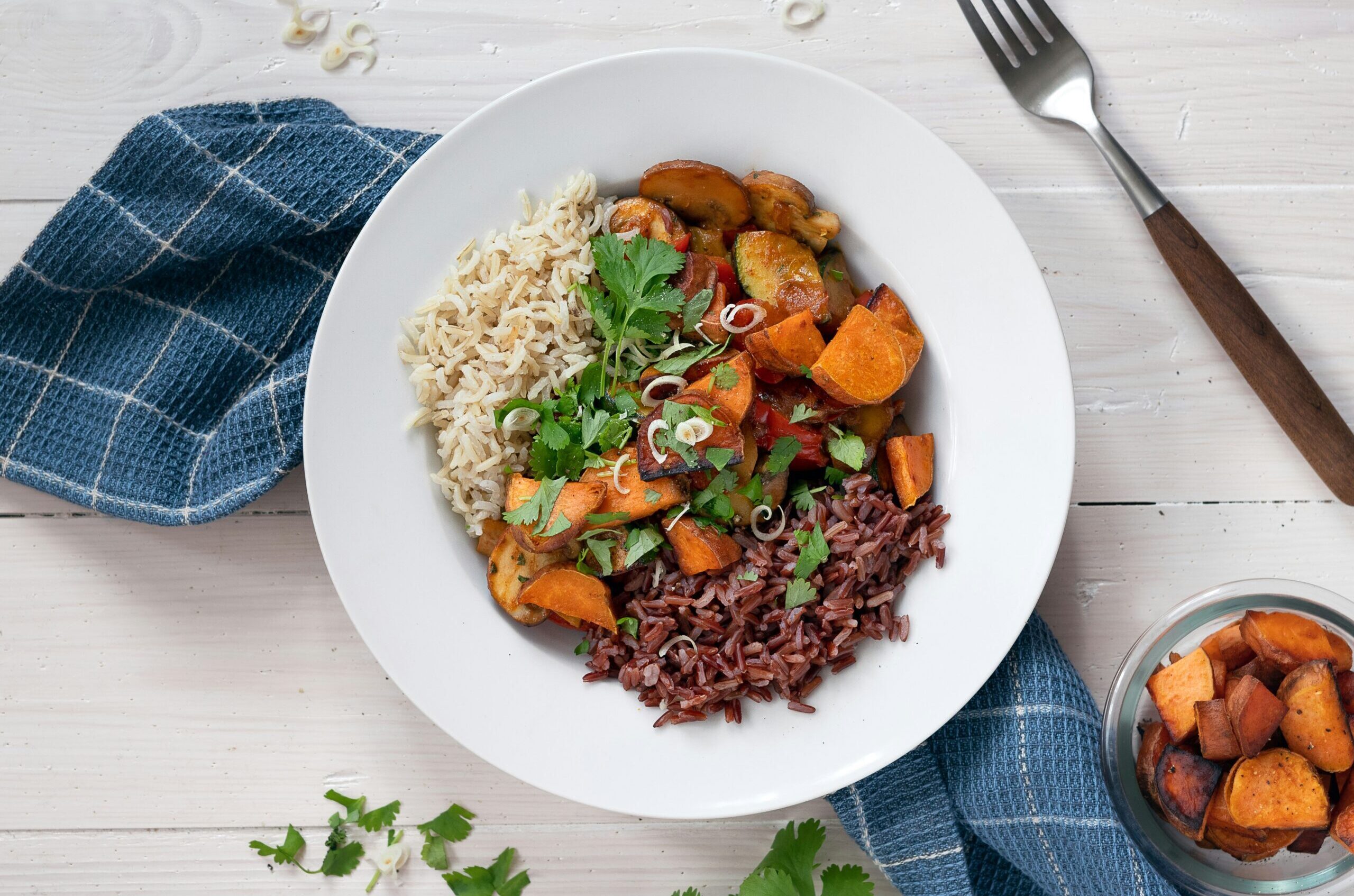
Eating a healthy, balanced diet can help you:
Have more energy
Improve your mood and overall wellbeing
Support your heart health
Maintain a healthy weight
Support your immune system
What does a healthy diet look like?
A healthy, balanced diet means eating a variety of foods to give your body the energy and nutrients it needs to stay healthy. No single food contains everything your body needs, so it’s important to eat a mix of foods from the main food groups.
Eating a healthy, balanced diet means enjoying a variety of foods from the main food groups. Fill your plate with plenty of fruit and vegetables, choose higher-fibre starchy foods such as wholegrains, include healthy sources of protein, and choose lower-fat dairy foods or fortified alternatives where possible.
Foods and drinks high in sugar, salt and saturated fat can still be enjoyed occasionally, but making healthier choices most of the time will help support your health and wellbeing
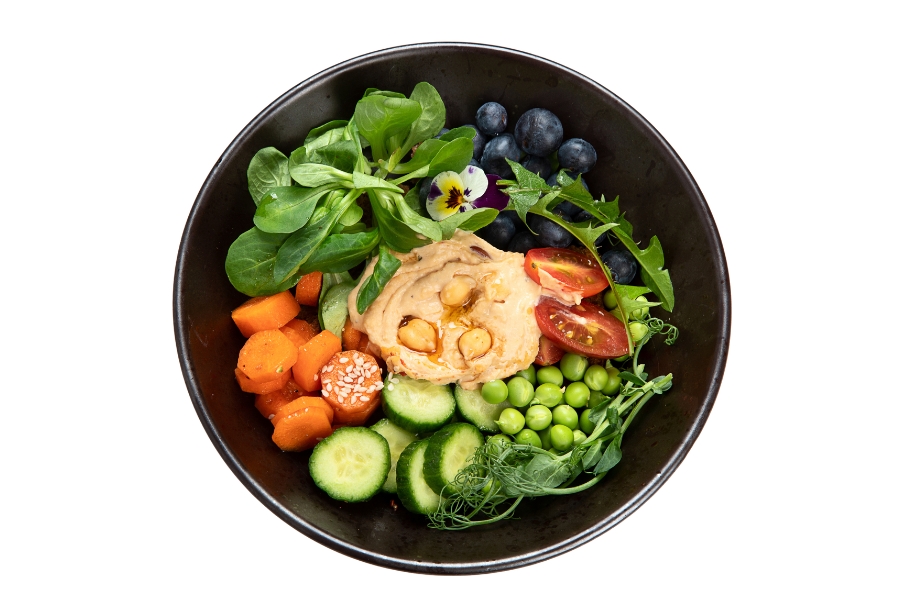
Fruits and vegetables
Include fruit and vegetables in what you are eating each day. Aim for different colours and types.
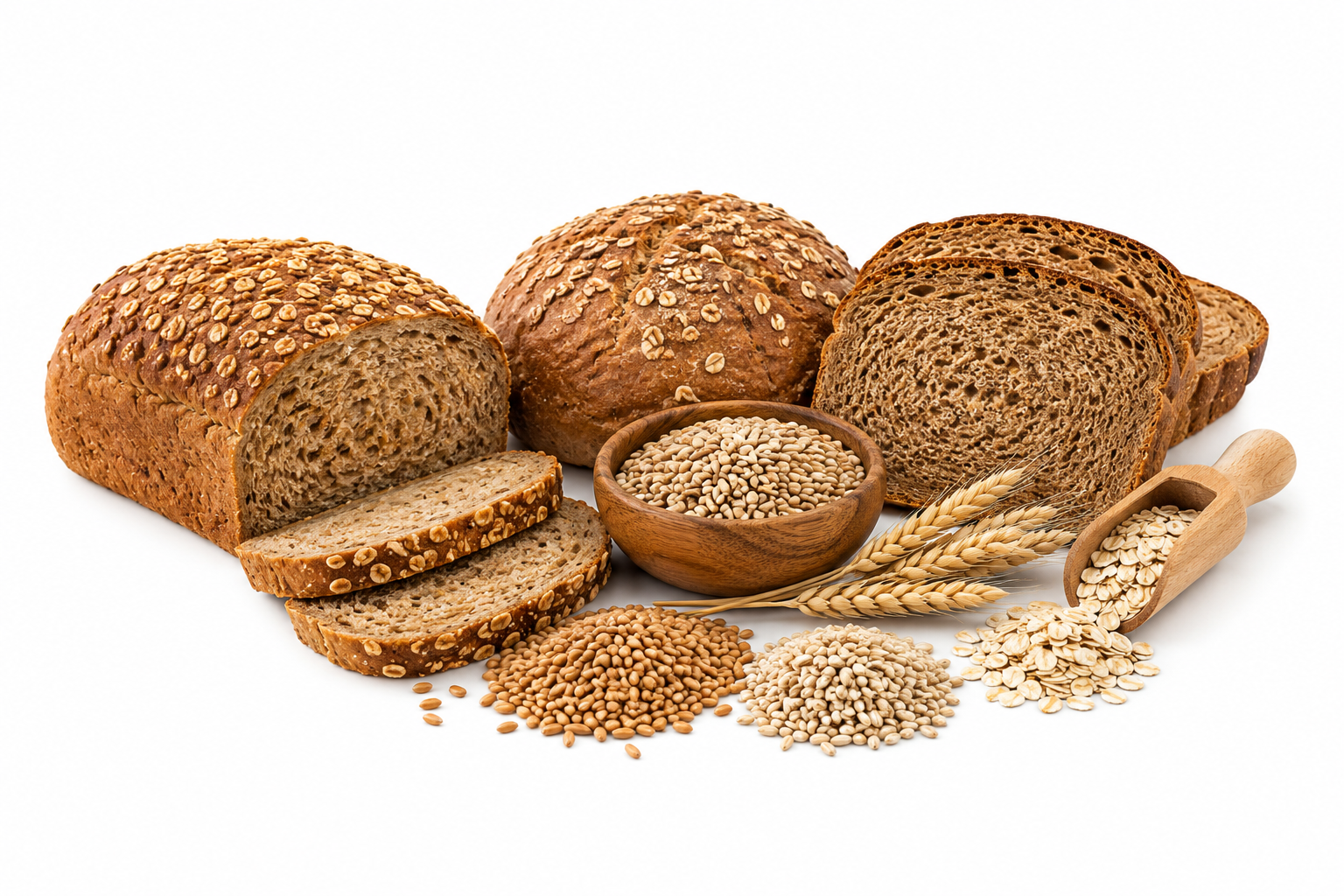
Wholegrains and Fibre
Choose wholegrain or higher fibre foods where you can, such as wholemeal bread, brown rice and wholewheat pasta.
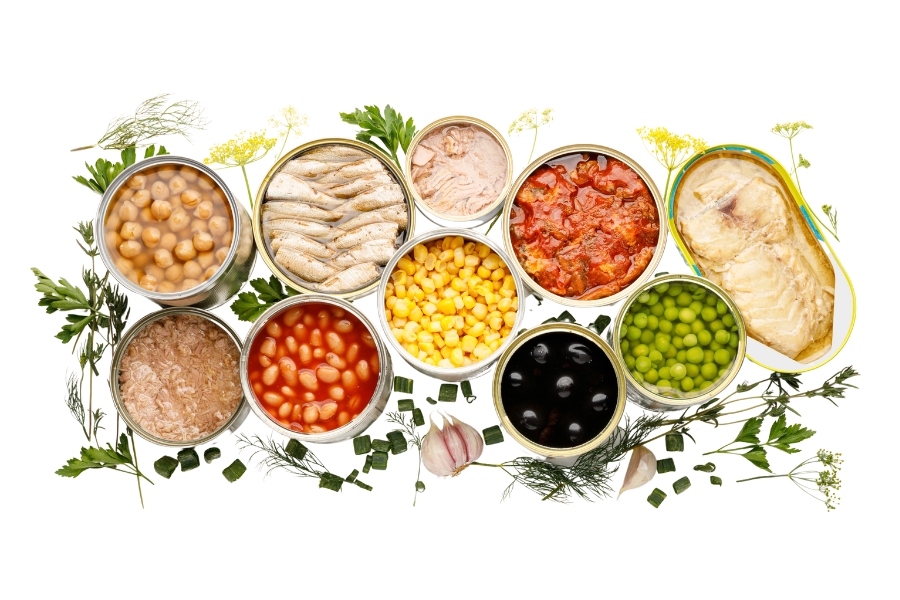
Protein power
Try to include some protein in each meal, such as beans, pulses, fish, eggs or lean meat. Limit red meat, and avoid processed meats such as bacon and sausage.
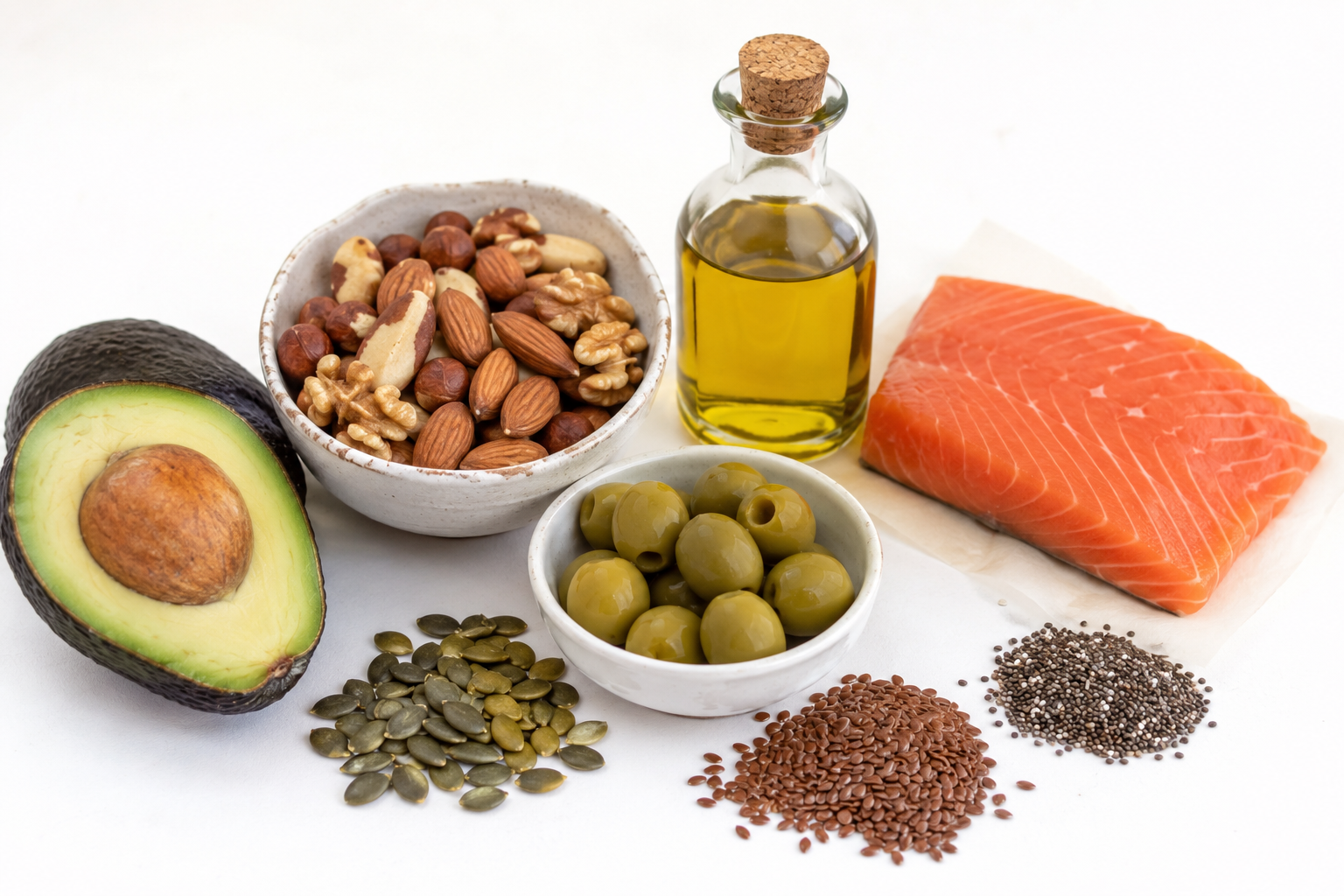
Healthy fats
Include small amounts of healthy unsaturated fats. Choose oils like olive, sunflower or rapeseed oil, and lower fat spreads where you can.
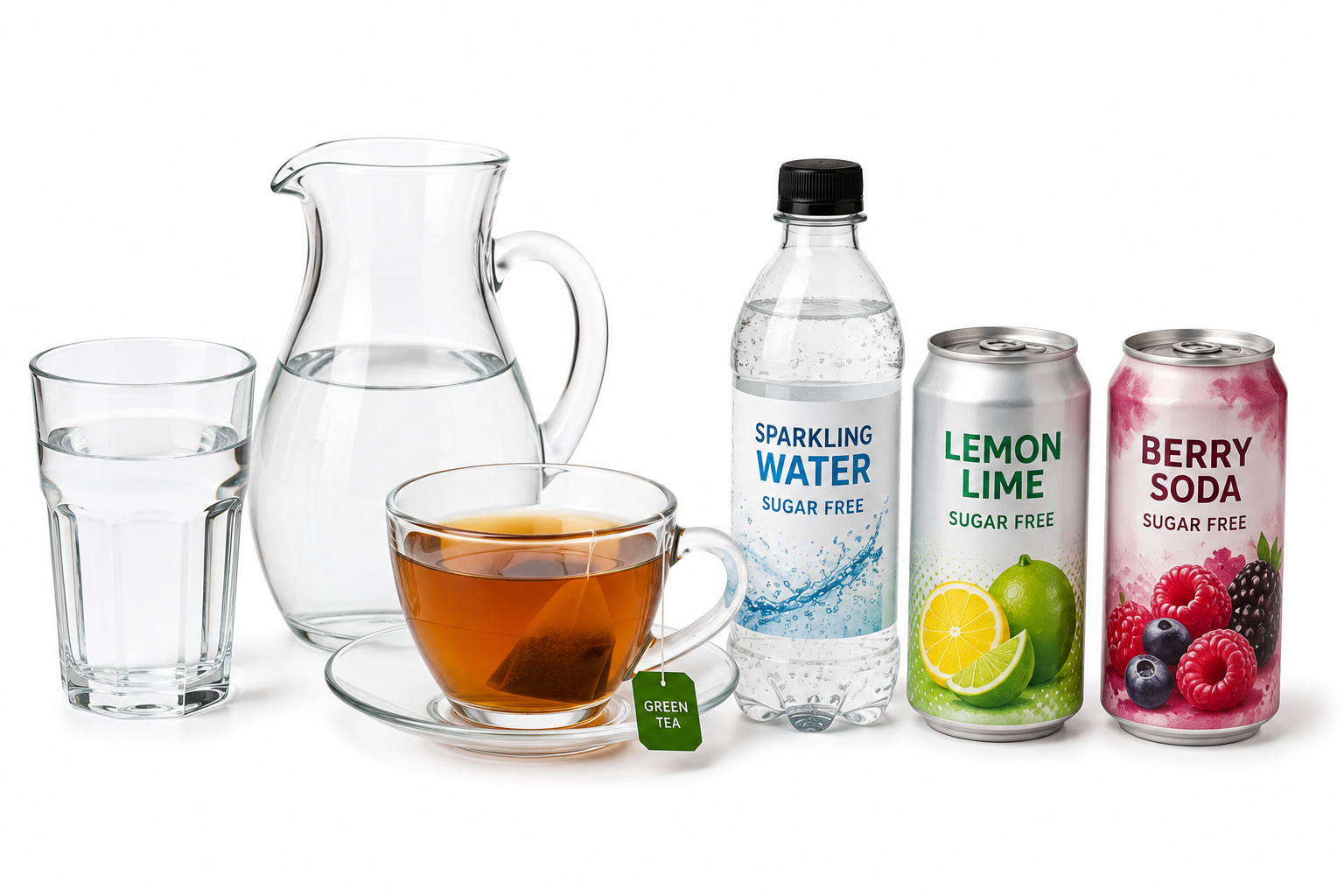
Water and drinks
Aim to drink six to eight glasses of fluid each day. Water, lower fat milk, tea, coffee, and sugar free drinks all count. Skip sugary drinks, and limit juice to one small glass per day.
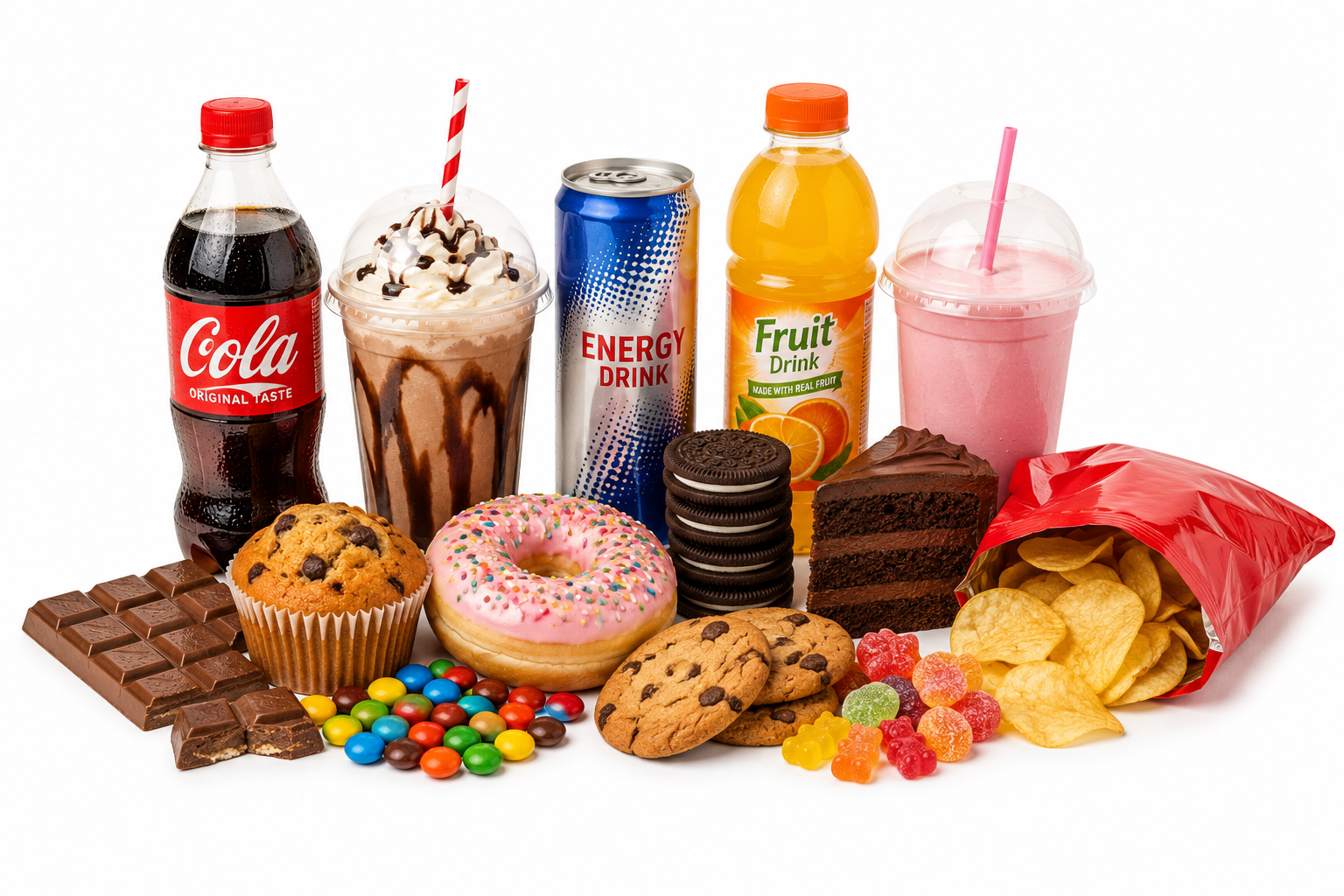
Sugary drinks and snacks
Swap sugary snacks and drinks for healthier alternatives most of the time to reduce added sugar and support your overall wellbeing.
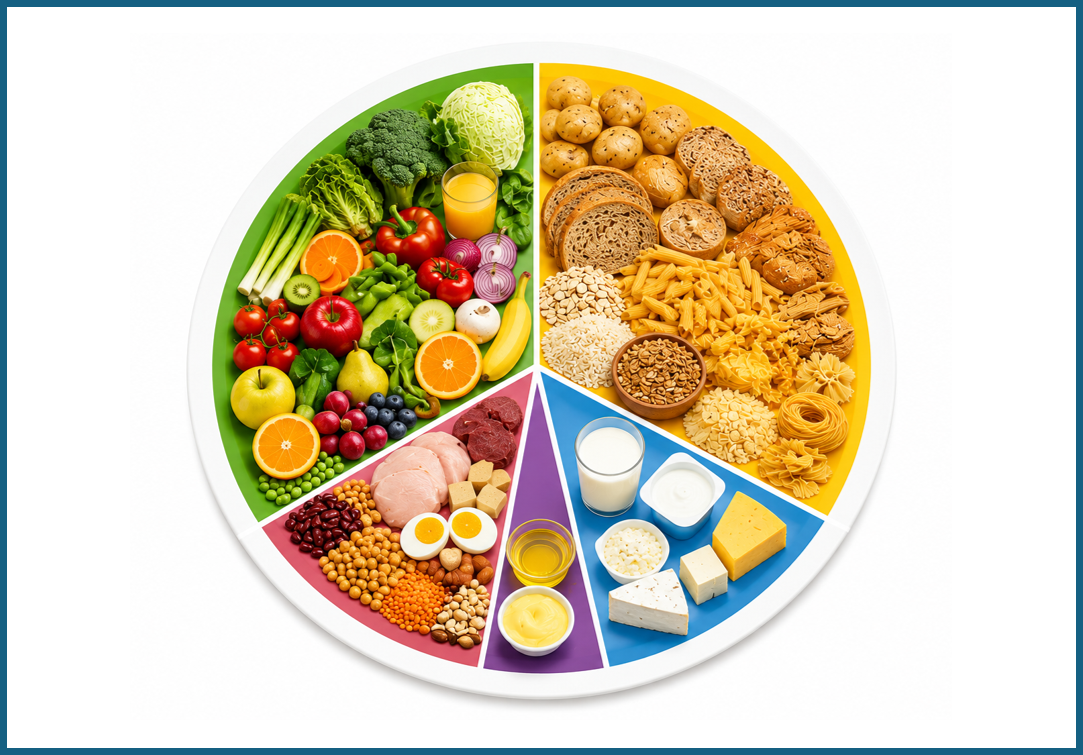
Use the Healthy Eating Plate as a guide for creating healthy, balanced meals
The British Nutrituion Foundation gives advice on creating a healthy diet
Find advice on healthy eating everyday and recipes at NHS Better Health
Claim your free, personalised weekly meal plan with Five Dinners