
Children, Young People and Families
Supporting children and young people to achieve and maintain a healthy weight is about building confident habits, nurturing wellbeing, and empowering families to make positive, sustainable lifestyle choices together
Healthy habits begin at home
Healthy habits begin at home, where everyday routines shape children’s lifelong relationship with food, activity and wellbeing. Small, positive changes — such as eating meals together, keeping active as a family and modelling balanced choices, can make a lasting difference.

Growing Well
Children and young people are still growing and developing. Healthy weight management focuses on supporting normal growth, strong bodies, good energy levels and positive self-esteem. Every child grows at their own pace. What matters most is creating healthy routines that support long-term health and wellbeing.

Healthy habits for the whole family
The most successful changes happen when the whole family is involved. Think about:
-
Eating regular meals together
-
Balanced lunchbox ideas
-
Easy swaps (e.g. sugary drinks → water or milk)
- Keeping healthy snacks easily available
-
Encouraging children to listen to when they are hungry or full

Enjoying movement together
Children and young peole benefit from opportunities to move in ways they enjoy. Think about:
-
Walking or cycling to school
-
Playing at the park
-
Family weekend walks
-
Dancing / active play at home
-
Community activity groups or local sports clubs
Local Services and Support
Feel Good Suffolk do not directly deliver child weight management services, but support is available locally from the Suffolk Healthy Living Service.
You can find out more about the Healthy Living Service at the links below, or, contact them on 01473263700 or email healthylivingservice@suffolk.gov.uk
You can also speak to:
– Your GP or health visitor
– School nursing team
– A registered dietitian
– Local family lifestyle programmes and activities – The Suffolk Healthy Living Service is a great place to start.
Suffolk Healthy Living Service
The Healthy Living Service offers support to children, young people, and their families to help them achieve a healthy weight and lifestyle.
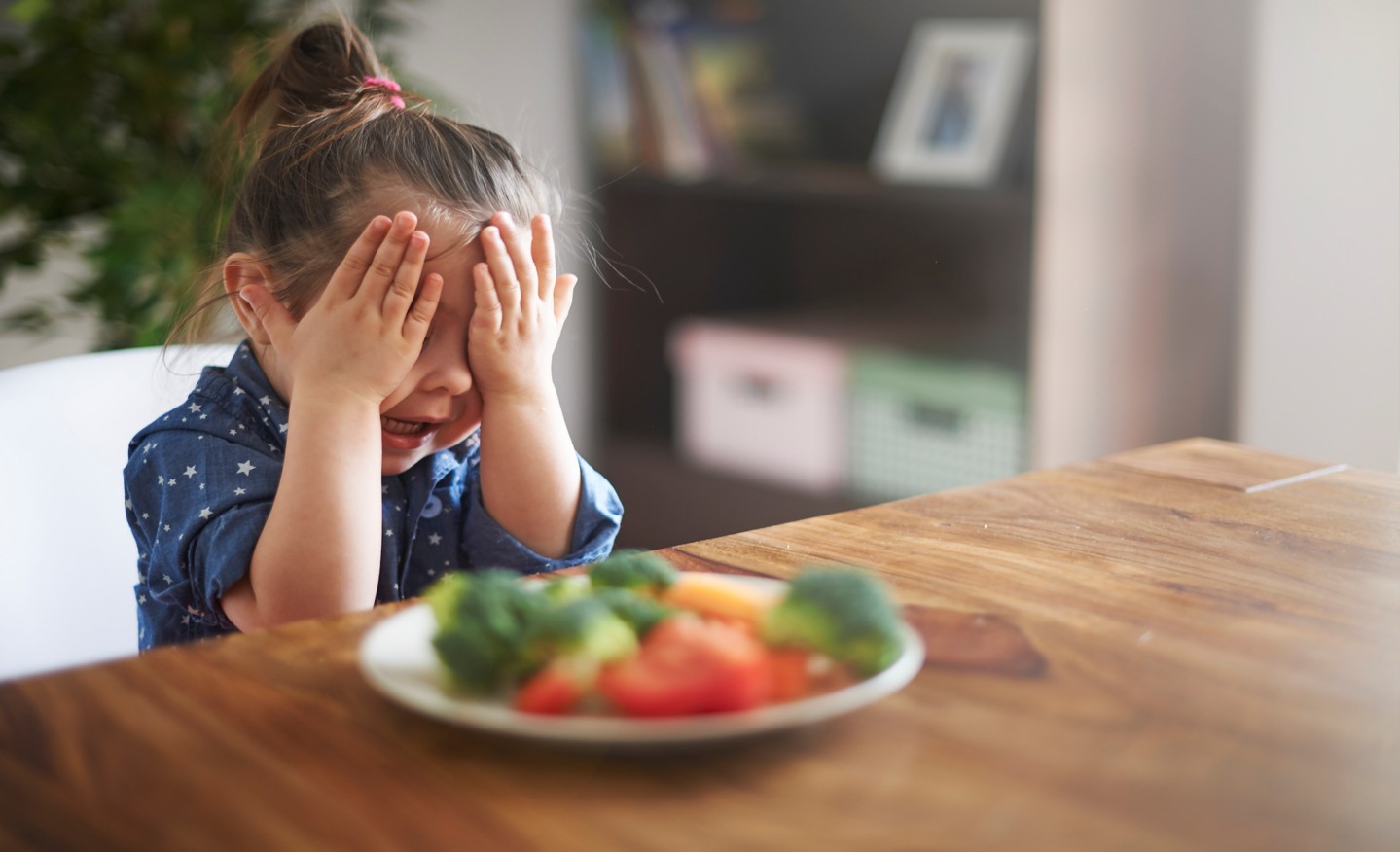
Fussy Eating Workshops
Would you like support with Fussy Eating for your child (ages 1-5)? The Healthy Living Service offers monthly daytime and evening virtual workshops. Infant Feeding from antenatal onwards is also supported.

NHS Healthier Families
NHS Better Health Healthier Families is a great place to start thinking about your family’s health and wellbeing. It is full of food facts, recipes, and activities to get the whole family moving.
BMI Calculator
Check an adult’s or child’s BMI to find out if they’re a healthy weight.
Sugar Calculator
Use the NHS Better Health sugar calculator for a quick check on how much sugar is in some of the everyday food and drink your child might have. You’ll be surprised how quickly it can add up!
Feel Good Suffolk Healthy Weight
Managing a healthy weight is about more than just numbers on a scale – it’s about feeling your best, having more energy and supporting your long-term health.
Commonly asked questions
Is my child a healthy weight?
Health risks for children who are living with overweight
Children living with an increased weight are at an increased risk of some health conditions including developing high cholesterol, high blood pressure, pre diabetes, joint problems as well as breathing difficulties.
They are also more likely to experience stigma and bullying related to their weight, which can lead to low self-esteem and poorer mental wellbeing.
How much physical activity does my child need?
Children and young people should aim for at least 60 minutes of moderate to vigorous physical activity each day. This can include active play, sports, walking, cycling or dancing — it doesn’t need to be formal exercise.
What is the National Child Weight Measurement Programme?
The National Child Measurement Programme (NCMP) measures the height and weight of children in Reception class (aged 4 to 5) and year 6 (aged 10 to 11), to assess overweight and obesity levels in children within primary schools. You can find out more about it on this video provided by the Suffolk Healthy Living Service.